
Volta
 Background
The Region is bounded to the South by the Gulf of Guinea, to the East by the Greater Accra, Eastern and the Brong Ahafo Regions, to the North by the Northern Region and to the East by the Republic of Togo. The population is 2,118,252 according to the 2010 population and housing census.
Districts
- Adaklu–Anyigbe
- Afadjato
- Agotime Ziope
- Akatsi North
- Akatsi South
- Central Tongu
- Ho Municipality
- Ho West
- Hohoe Municipality
- Keta Municipality
- Ketu North
- Ketu South
- Kpando
- North Dayi
- North Tongu
- South Dayi
- South Tongu
COMPLEMENTARY EDUCATION AGENCY EQUIPS VOLTA WOMEN WITH MARKET-READY SKILLS
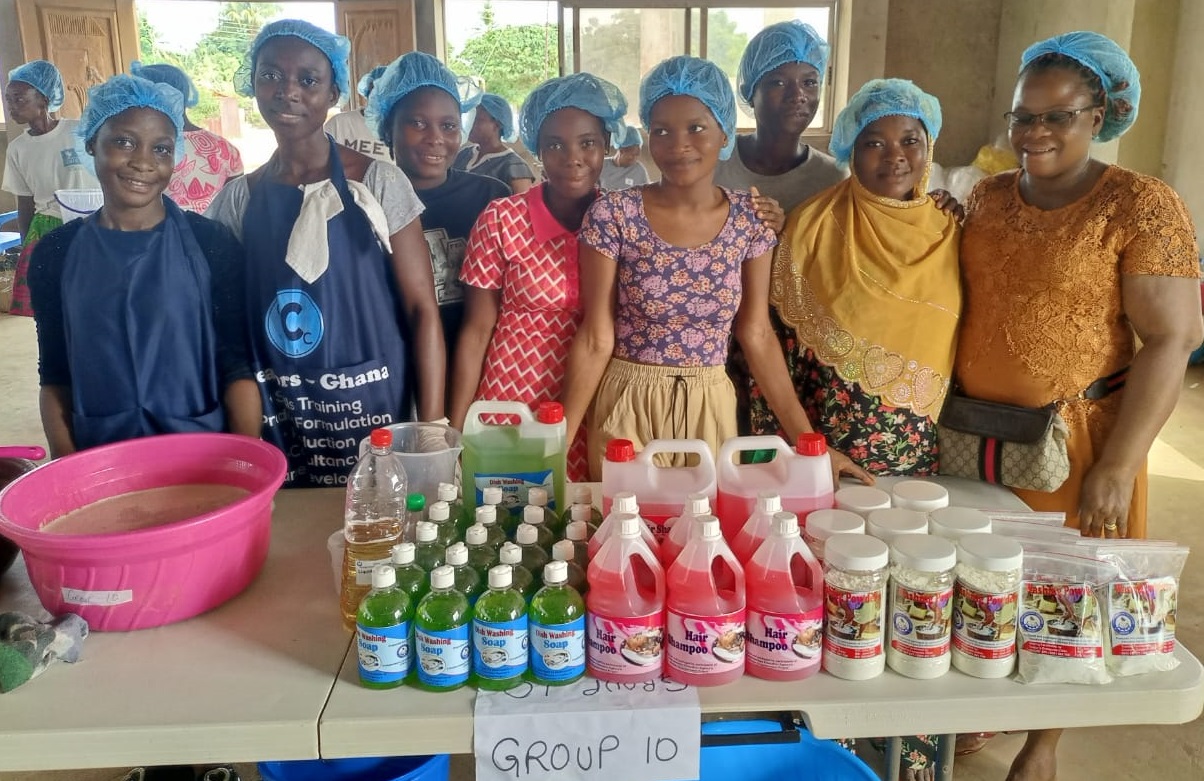 The Complementary Education Agency, CEA, is turning skills into dignity and livelihoods across Ghana as it delivers on government’s promise that “nobody will be left behind in the country’s development agenda” Through its training, women are moving from learners to producers, gaining the tools to create wealth for themselves and their communities. The journey began in the Oti Region, where CEA’s Occupational Skills Development, OSD, team trained a significant number of beneficiaries. From there, the team moved to the Bono Region before arriving in the Volta Region.
From June 1–5, 2026, the training hall in Ketu North became a hub of transformation as more than 200 women from Hohoe, Afadzato South, Adaklu, Kpando, South Tongu, North Tongu and host district Ketu North gathered to learn, unlearn, and relearn. Though they came from different communities, they shared one dream: a better life through practical, market-ready skills.
The week-long training climaxed with a grand durbar of chiefs and people of the Ehi Traditional Area. The presence of Togbui oo and Mama oo lent the programme weight, blessing, and community ownership. It was a celebration of opportunity, resilience, and the conviction that all hands must be on deck to move Ghana forward.
Under the guidance of Madam Martha Siaw, Acting Director of Complementary Education and Training, Madam Gloria Dei-Tutu, Acting Head of Occupational Skills Development, and Madam Rita Asombala, Acting Head of Complementary Basic Education, the curriculum was hands-on and market-driven. Participants completed seven modules facilitated by Mr. Justice K. B. Annan, covering safety precautions, measurement principles, packaging, and step-by-step production of washing powder, liquid soap, hair shampoo, and Alata Samina shower gel. “This is not just training. It is a doorway to independence,” said Madam Gloria Dei-Tutu.
In his keynote address, Executive Director Hon. Daniel Ashiamah thanked the Chiefs and people of Ehi for their warmth and ownership of the project. He stressed that what beneficiaries learned to produce are not just products but opportunities and stepping stones to financial independence, dignity, and wealth creation. “It is to help participants drive away poverty and the lamentations that come with it,” he said. He added that government remains committed to providing Ghanaians, especially women and out-of-school young adults, with basic functional literacy and marketable skills so they can live with dignity and contribute to the national economy in small but powerful ways. “At CEA, we are not just teaching skills. We are nurturing entrepreneurs, job creators, and community change makers. We are moving Ghana forward, and no one must be left behind,” he declared.
The Director also outlined CEA’s mandate beyond the classroom. He announced that the agency has begun nationwide outreach to prisons, starting with Akanfo Prison in the Central Region, because “everybody must be trained if Ghana is to move forward.” He appealed to the Ministry of Finance, corporate bodies, and philanthropists to fund CEA’s activities under Act 1055 so more Ghanaians can be trained in sewing, plumbing, electrical work, and modern farming. Citing small home-based industries started by Chinese entrepreneurs, he urged beneficiaries to start small from their homes and build gradually.
In his welcome address, Volta Regional Director of CEA, Mr. Samuel Atsu Klu described the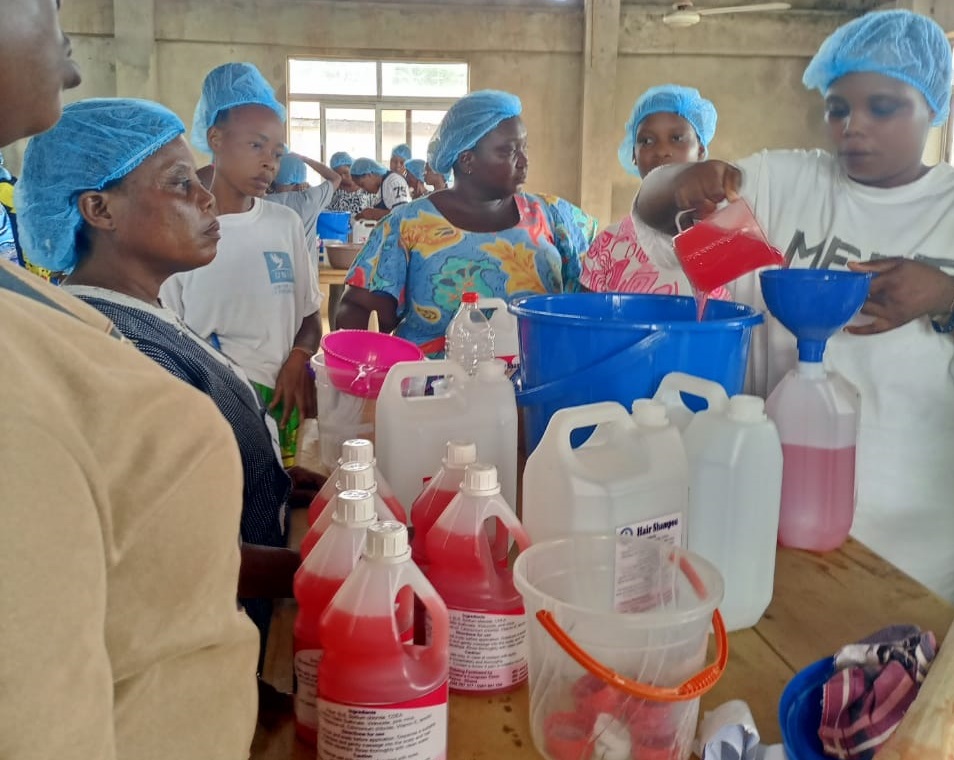 durbar as a major milestone in empowering individuals with occupational skills to thrive in a changing world and drive community, regional, and national development. He said CEA is bridging the gap between education and employment by delivering accessible, relevant, and quality occupational skills training. He noted that the Volta Region is rich in human potential and natural resources and that equipping residents with practical skills is key to unlocking that potential and creating a pipeline of workers ready for the modern economy.
He urged beneficiaries to view the training not merely as a one-week session but as a gateway to new skills, confidence, and improved livelihoods. “You are urged to embrace it with enthusiasm and commitment,” he stated.
Speaking on behalf of the traditional rulers, Togbui Bedi Ahadzi IV, Tufia of Ehi Bedikope, thanked the Executive Director and his team for selecting his traditional area to host such an important project. He assured the agency of full community ownership and advised beneficiaries to make good use of the skills acquired, noting that such initiatives come at a significant cost to CEA.
The Member of Parliament for Ketu North, Hon. Edem Agbana and the Municipal Chief Executive were represented by Mr. Edward Kumah-Deku, Director of Finance and Administration at the Ghana Education Service. In his address, he stressed that Ghana’s development agenda can not be sustained without skills training. “CEA has a huge mandate because the survival and growth of the nation’s occupational skills sector rests in the hands of the Agency,” he said.
To ensure skills translate into income, CEA’s Occupational Skills Unit has designed a post-training support plan. Learners have been grouped into five zones, and each zone has received start-up kits to begin immediate production and sales. Madam Martha Siaw assured that CEA will provide follow-up support, so the training translates into real earnings.
Other Dignitaries and Officials present: Mama Ahlayi Ahifeto II, Queen Mother of Kliko Akaglakope; Mr. Eben Fenuku, who anchored the durbar; Madam Halimatu Quaye, Hohoe District Director of CEA; Madam Vida Davies; representatives ofEhi Development Council; Mr. Charles S. Badzi and other officials from CEA Headquarters.
With the Volta exercise completed, the CEA team has now departed for other regions with one mission: to impact lives, build skills, and create livelihoods, one woman at a time.
Israel Kpodo